November 2025
D2C Pharma: price pressure accelerates direct-to-consumer models

Founder & CEO, HGM Advisory
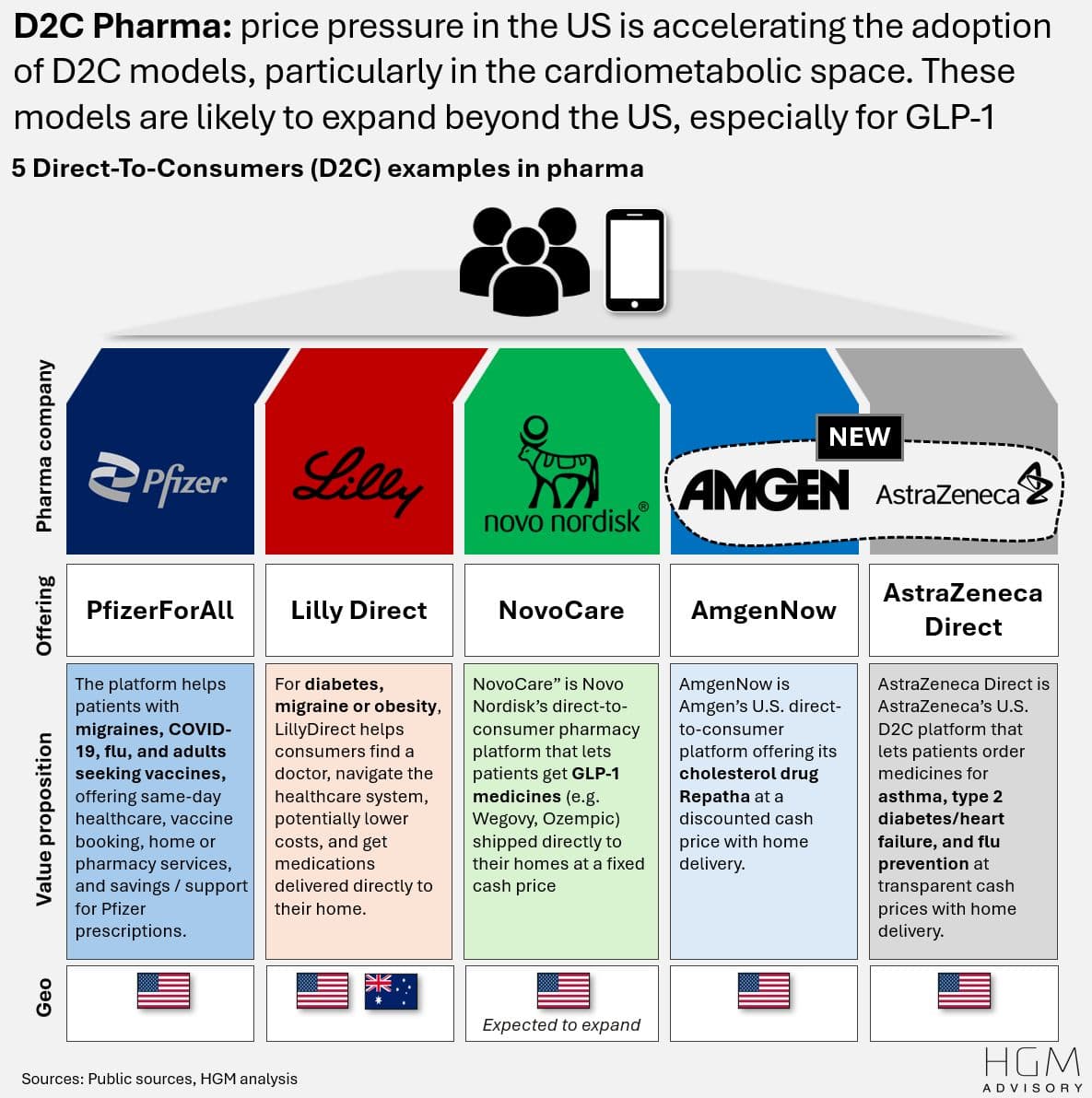
Key takeaway
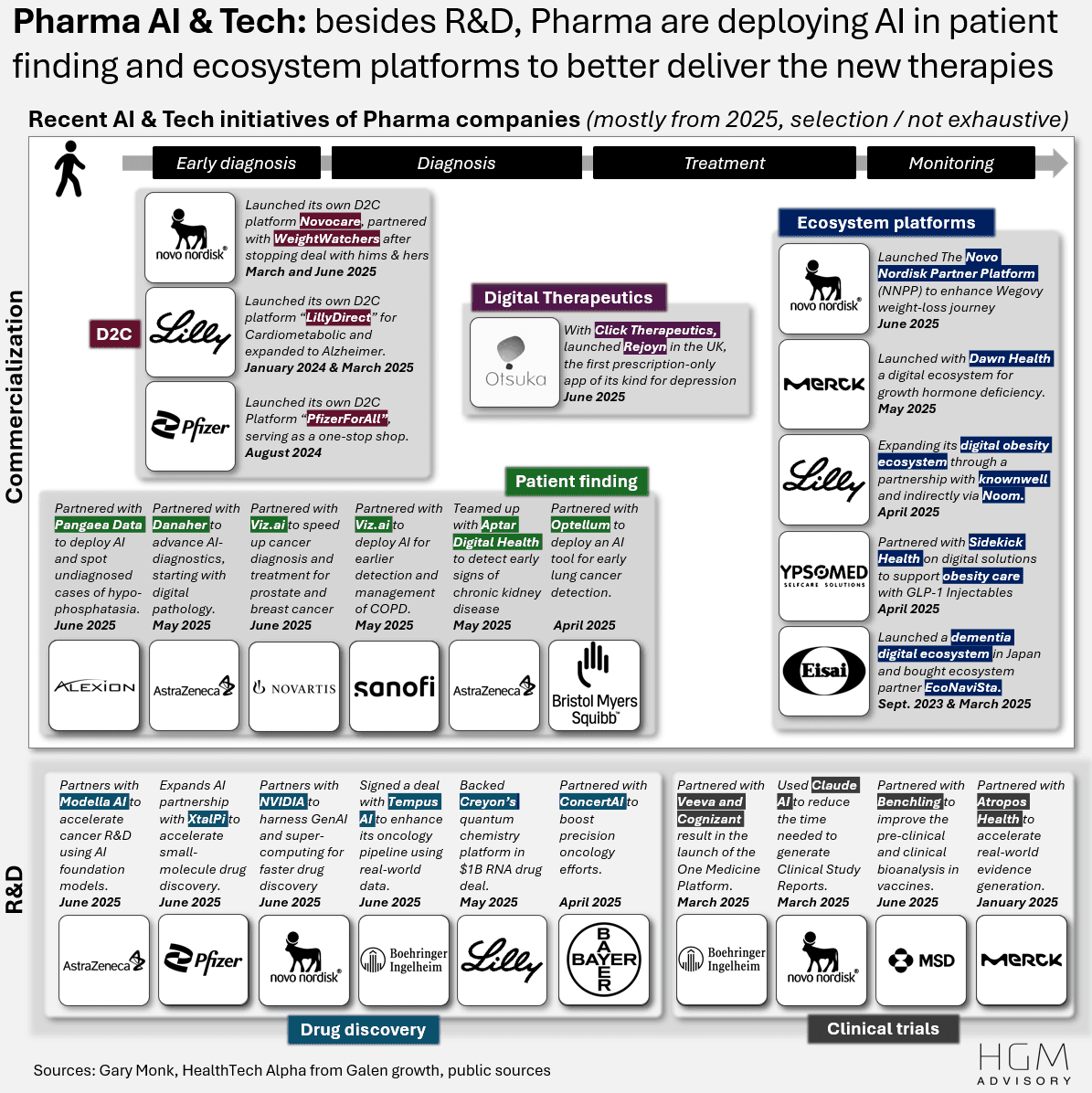
US price pressure and the GLP-1 boom are accelerating pharma's shift to direct-to-consumer models, PfizerForAll, Lilly Direct, NovoCare, AmgenNow, and AstraZeneca Direct collectively represent the most significant channel disruption in pharmaceutical distribution since the rise of pharmacy benefit managers.
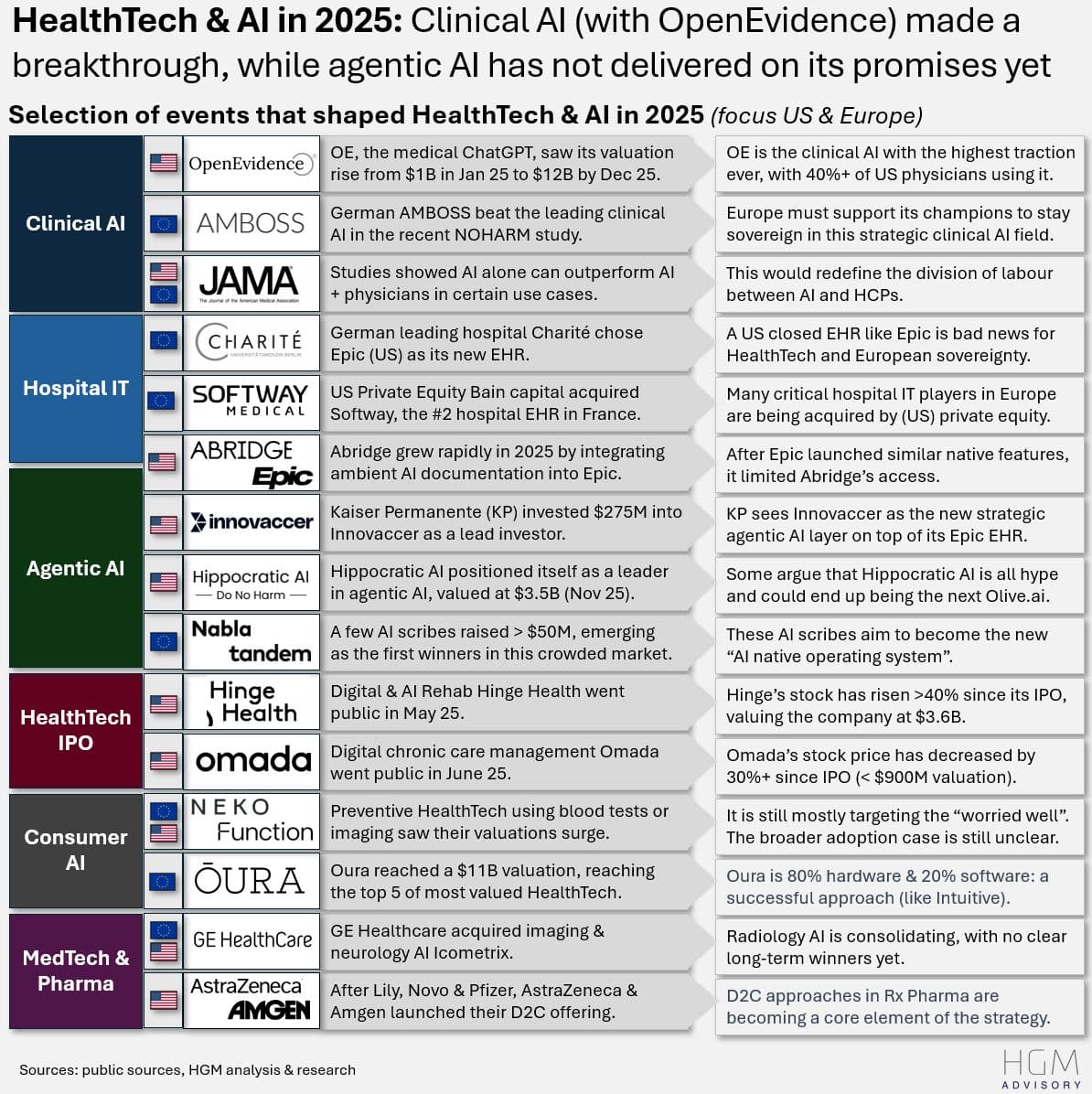
Price pressure in the US is accelerating D2C models in pharma, particularly in the cardiometabolic space. Five examples, PfizerForAll, Lilly Direct, NovoCare, AmgenNow, and AstraZeneca Direct, show how these models are likely to expand beyond the US, especially for GLP-1.
Price pressure is reshaping pharma's channel strategy
The Inflation Reduction Act's Medicare drug price negotiation provisions are expanding. PBMs continue to extract rebates averaging 50-70% of list prices. And explosive GLP-1 demand has created a pricing dynamic where patient willingness to pay out-of-pocket is high but insurance coverage is inconsistent.
Major pharma companies are making a strategic bet: go direct to the consumer. These are not simple coupon websites, they are full-service digital health platforms with telehealth, medication management, and fulfillment capabilities.
Five D2C pharma platforms
Five major initiatives are reshaping pharmaceutical distribution.
| Platform | Launch | Focus | Key Features | Traction |
|---|---|---|---|---|
| PfizerForAll | March 2024 | Full portfolio | Telehealth via Teladoc; Rx savings; home delivery | 4.2M registered users |
| Lilly Direct | January 2024 | GLP-1 (Zepbound, Mounjaro) | Independent telehealth; direct-ship pharmacy | ~25% of new Zepbound Rx |
| NovoCare | Evolved 2024 | GLP-1 (Wegovy, Ozempic) | Dosing support; savings cards; pharmacy network | Est. 2-3M active patients |
| AmgenNow | September 2025 | Biosimilars; cardiometabolic | Price transparency; home delivery | Early traction in biosimilars |
| AstraZeneca Direct | Late 2025 | Oncology; respiratory | Concierge model; patient navigators | Recently launched |
Why pharma is going direct
For a branded drug with a $1,000 list price, the manufacturer receives $300-400 after rebates and fees. By going direct, pharma companies can offer patients lower prices while improving their own net realized price.
The GLP-1 category catalyzed this shift: 40 million Americans qualify for GLP-1 therapy but only 3-4 million are on treatment, and 60-70% would consider paying out-of-pocket below $500/month.
International expansion potential
While currently a US phenomenon, international expansion is coming. GLP-1 supply constraints and reimbursement delays across EU markets create an addressable private-pay population. The EU's EHDS regulation creates frameworks for cross-border digital health services.
Lilly has signaled EU expansion for Lilly Direct, targeting the UK and Germany first. European models will emphasize patient support and adherence rather than direct acquisition, partnering with providers rather than bypassing them.

About the author
Thomas HagemeijerFounder & CEO of HGM Advisory. Management consultant and HealthTech expert working across the full healthcare ecosystem: pharma, MedTech, investors, startups, hospitals, and policymakers. Investor at Springboard Health Angels. Ambassador at HLTH Europe and HBI. Regular keynote speaker on AI in healthcare and digital health transformation.